Most UK drawdowns need the same core set of documents: a drawdown application or valuation for the period, the invoices and contractor applications behind it, evidence you paid out the last drawdown, current insurance, any variation instructions, and progress photos tied to what's claimed — plus vesting certificates if you're claiming for off-site materials. The exact list varies by lender and facility, but a monitoring surveyor working through your pack is looking for the same things on almost every job.
This page is the full checklist: what each document is, why the monitoring QS asks for it, which ones only apply at certain stages — and what it costs when one is missing. Bookmark it, print it, or work through it before your next pack goes in.
What goes in a drawdown pack
A drawdown pack is the evidence bundle behind each stage release of your development facility. The lender doesn't release funds because your application says the work happened — they release funds because the monitoring surveyor certified it, and the monitoring surveyor certifies from evidence. The pack is that evidence.
The better the pack, the faster the certification. A monitoring QS report typically takes 5 to 10 working days; a well-structured submission, where every claimed line has its backup attached and the numbers reconcile, can compress that to 3 to 5. For the full journey from application to funds landing, see how UK construction drawdowns actually work.
The core checklist, every drawdown
Nearly every UK monitoring surveyor will want the following, every period.
- The drawdown application or valuation. Work done this period and cumulatively, by cost line, with the retention position shown. This is the document everything else has to reconcile to.
- The invoice schedule, with the invoices behind it. Every invoice and contractor application for payment supporting the amounts claimed, listed in a schedule that ties to the application line by line. A claimed figure with no invoice behind it is a query waiting to happen.
- Evidence of payment for the previous drawdown. Bank statements or remittance advices showing the last release actually reached the trades. Lenders check this because unpaid subcontractors are how developments stall.
- Current insurance. Contractors All Risks in date and at the right sum insured, plus professional indemnity and public liability where the facility requires them. An expired CAR certificate can stop a drawdown on its own.
- Variation instructions. Anything claimed beyond the original cost plan needs the instruction that authorised it, priced and signed. Unexplained cost movement is the fastest way to lose a monitoring surveyor's confidence.
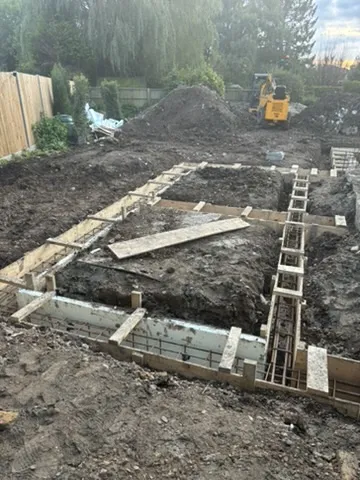
- Progress photos tied to what's claimed. Not a gallery of the site — photographs that evidence the specific lines being claimed, dated and labelled. Between visits, the monitoring surveyor certifies substantially from photographs.
- The updated programme. The current programme, with a line of commentary if dates have moved. Programme slippage feeds the interest forecast, so the MS will ask either way.
- The retention statement. What's held this period and cumulatively, and anything being released. Retention errors compound from one drawdown into the next, and unwinding them mid-facility is slow.
The first drawdown: extra documents
The first drawdown carries the facility's conditions precedent as well as the period's evidence, which is why it almost always takes longer than the rest. Alongside the core checklist, expect to provide:
- Planning evidence — the permission itself, and confirmation that pre-commencement conditions are discharged.
- The building contract — executed, with the contract sum analysis your cost plan is built on.
- Appointments and the warranties schedule — who is engaged on the professional team, on what terms, and which collateral warranties the facility requires from whom.
- Insurance for the whole job — CAR, PI and PL evidenced from day one, not from the first claim.
- The monitoring surveyor's initial report — their review of the cost plan, programme and procurement before funds flow. You don't write this one, but your numbers feed it, and a clean cost plan makes it faster.
The precise list is lender-specific — some facilities carry twenty conditions precedent, some forty. The practical move is to get the CP schedule out of your facility agreement and into a tracker on day one, and work it down before the first application goes anywhere near your lender.
Off-site materials and the final drawdown
Two stages carry their own extras.
Off-site materials. If you're claiming for materials not yet delivered to site — a timber frame in the manufacturer's yard, stone on order — most lenders want a vesting certificate confirming title passes to you, evidence the materials are insured and stored identifiably, and photographs. Without vesting, off-site value is generally excluded from the certification.
The final drawdown. Practical completion brings the practical completion certificate, the building control completion certificate, and the retention conversation: typically half the retention releases at PC and the balance at the end of the defects liability period, usually twelve months later. Warranties and handover information get checked off here too — the lender wants the security package complete before the last of the money moves.
Why one missing document costs days
A missing document doesn't fail a drawdown. It stalls one — and a stall is expensive in a way that's easy to underestimate.
Each query is a round trip: the monitoring surveyor notices the gap, emails you, you find the document or chase the contractor for it, resend, and the review picks up again. Two to five days per round trip is normal. Development finance typically costs 8 to 12% of the gross loan over a 12-month term, so capital held up while a query resolves has a daily price: on a £3m facility at 10%, roughly £820 a day. A single missing warranty that takes a week to chase costs more than filing every document in this checklist properly would have.
The pack that clears fastest isn't the one with the most paper. It's the one where every claimed number has its evidence attached before anyone asks.
For the failure patterns monitoring surveyors see most often — and what each one does to your cycle — see why drawdown packs get rejected.
How to keep the pack ready, not scramble it
The checklist looks manageable on paper. What makes it hard is that the documents arrive over six weeks in five formats — invoices by email, variations agreed on a site walk, an insurance renewal in someone else's inbox — and the pack gets assembled in a scramble the night before it's due.
The developers whose packs clear first time run it the other way round: file against the checklist as things arrive, not at period end. The invoice gets matched to its cost line the day it lands. The variation gets written down and priced the week it's agreed. By the time the application date comes round, the pack already exists.
This is the admin BankBuild does. Documents are filed against the right cost line as they arrive, whatever's missing gets chased without you asking, and the pack is ready for your monitoring surveyor before it's due — the checklist above, maintained for you rather than scrambled at month end.
Frequently asked questions
-
It varies by lender and facility, but most drawdowns need: a valuation or application for payment showing work done this period, supporting invoices and contractor applications, evidence of payment for the previous drawdown, current insurance (Contractors All Risks, and PI/PL where required), any variation instructions, and progress photos tied to what's being claimed. Off-site materials usually need vesting certificates too.
-
Only when you're claiming for materials that aren't yet on site — a timber frame in the manufacturer's yard, stone on order. A vesting certificate confirms title in the materials passes to you on payment, so the lender's security covers them. Without one, off-site value is generally excluded from the monitoring surveyor's certification, along with evidence the materials are insured and stored identifiably.
-
Photographs that evidence the specific work being claimed — dated, labelled to the relevant cost line, and showing the work itself rather than a general view of the site. Between site visits the monitoring surveyor certifies substantially from photographs, so a gallery of scenic site shots supports nothing; a photo per claimed line supports everything.
-
The day after the last drawdown funded. Packs assembled at period end from a full inbox are where queries come from. Filing each document against the checklist as it arrives — the invoice the day it lands, the variation the week it's agreed — means the pack already exists when the application date comes round.
-
The core is consistent: application, invoices, payment evidence, insurance, variations, photos. What varies is the conditions precedent schedule and stage-specific extras, which are set by your facility agreement. Read the CP schedule on day one and put it in a tracker — it is the definitive list for your facility.
-
A monitoring QS report typically takes 5 to 10 working days. Well-structured submissions — where every claimed line has its backup attached and the numbers reconcile first time — can compress that to 3 to 5. The difference across an 8-to-14-drawdown facility is weeks of carrying cost.